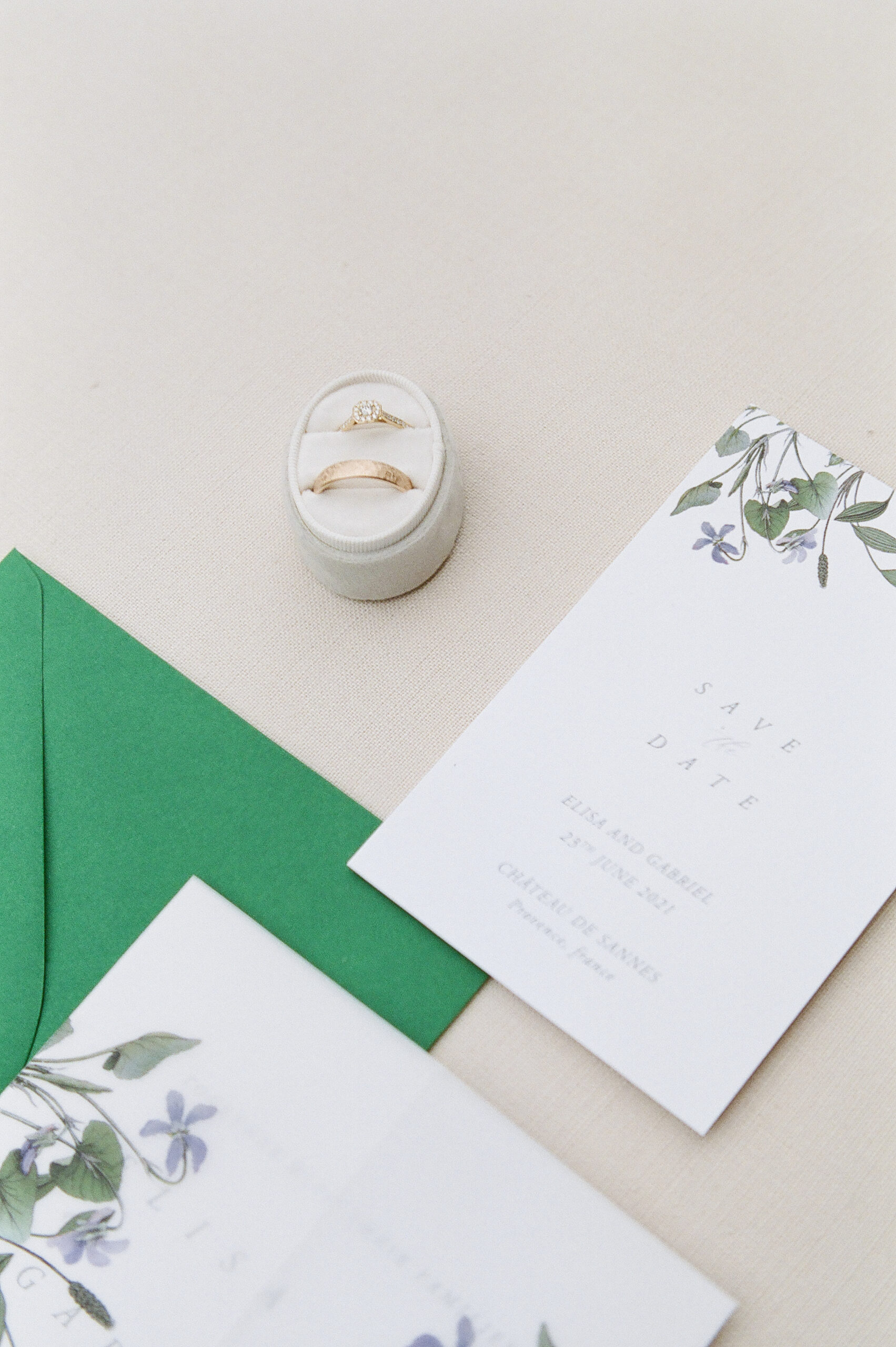
Provence on film is a different argument entirely. The grain that sits in the shadows of a stone wall. The way Kodak Portra handles the ochre and terracotta without pushing them into artificial saturation. The latitude that keeps detail in both the white dress and the shadow of the cypress tree behind it. There is a reason that film photography and Provence belong together — they share the same honesty.
What Film Does in This Light
Provence light is high in summer and golden in autumn. Both suit film differently. In summer, the contrast is significant: bright sun, deep shade, very little transition between the two. Film handles this with more grace than digital — it holds the highlights longer before they blow out, and it renders the shadows with a richness that digital noise cannot replicate. The result feels less like a photograph and more like a memory.
In autumn and early evening year-round, the Provence light goes warm and low. On Kodak Portra 400 or Fuji 400H+, this light renders in amber and cream rather than the sharp orange-yellow of a digital file. The skin tones are warmer. The stone is richer. The lavender, where it still appears, reads as a deeper, more muted violet.
Film at a Provence Wedding
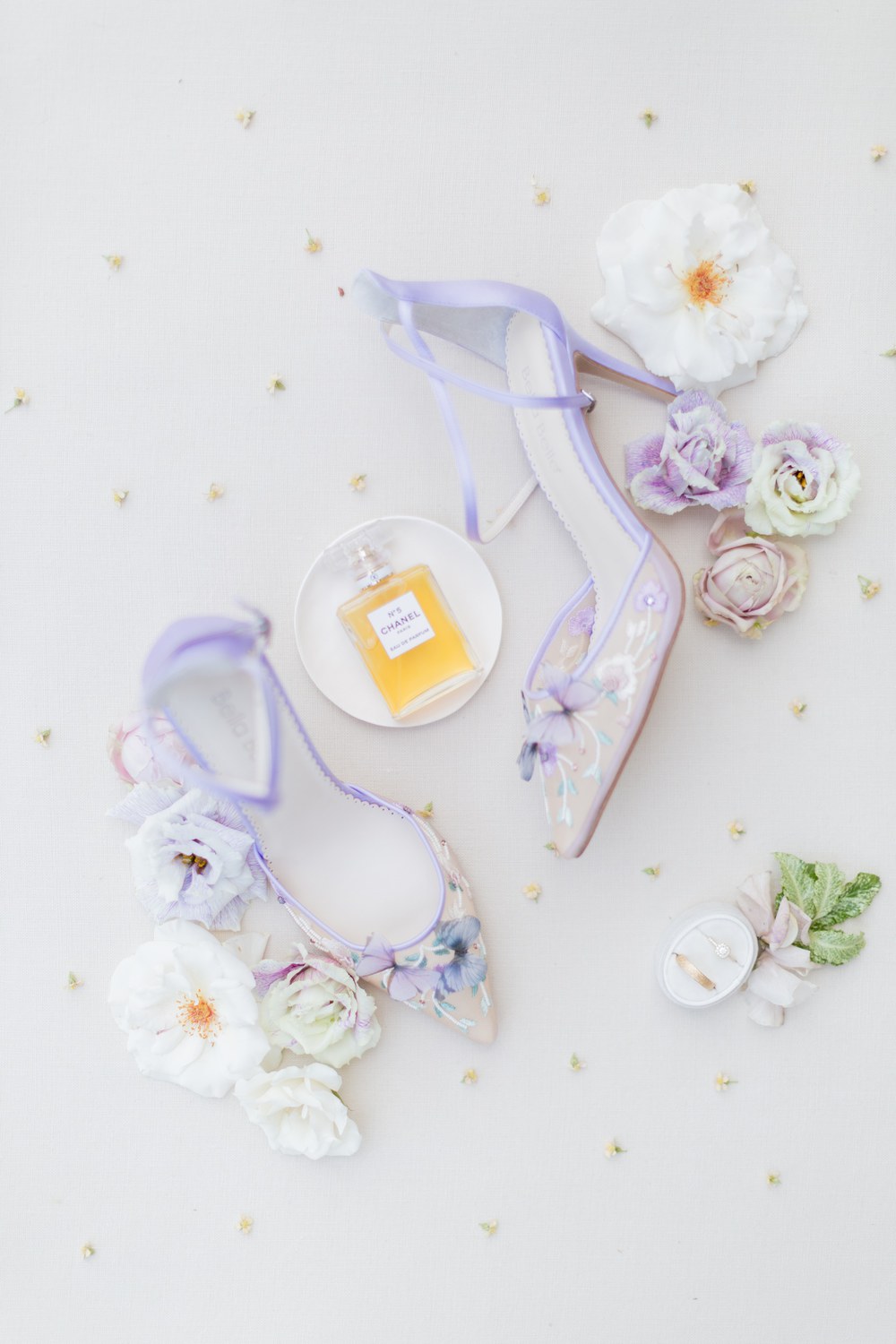
A Provence wedding day typically runs ten to twelve hours. The combination that works best is shooting the ceremony and formal portraits on medium format film, and using digital for the reception when the light becomes mixed and variable. This is not a concession — it is a deliberate allocation of each tool to the conditions where it performs best.
The medium format negative — a 6×6 or 6×7 frame on Mamiya or Hasselblad — captures the scale of a Provence landscape in a way that a 35mm frame cannot. The wider aspect ratio, the finer grain, the depth of field that falls away gently rather than sharply — these qualities suit the grandeur of the setting.
Processing and Delivery
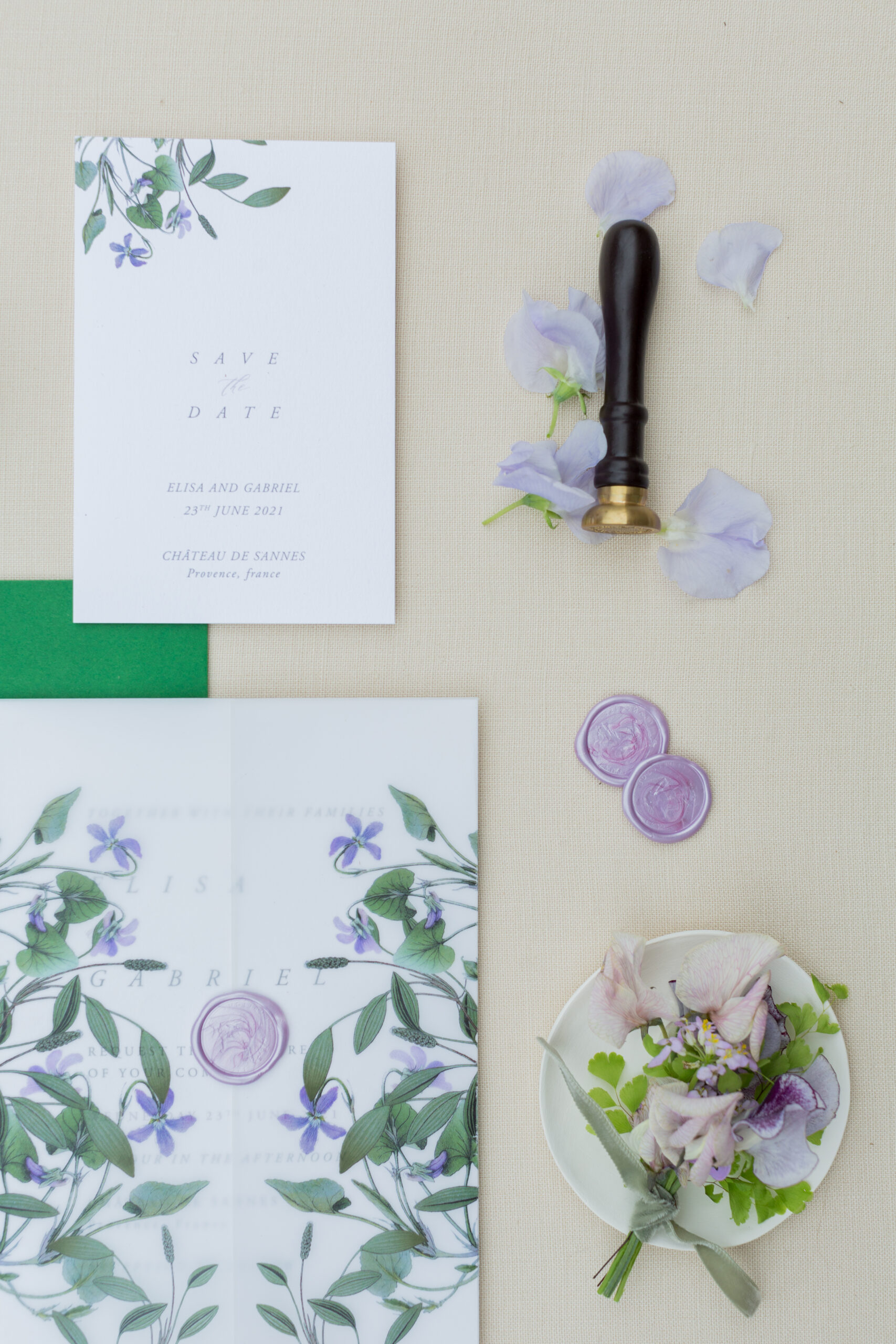
Film shot in Provence goes to a professional lab for development and high-resolution scanning. The scans arrive with the natural grain structure intact — not applied in post, but present in the negative. They do not require the same level of post-processing as digital files. What you see is largely what was captured. That directness is part of the appeal.
Delivery timelines for film work are longer than digital — typically three to four weeks beyond the wedding date. Couples who choose film understand and accept this. The wait is part of the relationship with the medium.
For couples interested in film photography at a Provence wedding, contact Guillaume to discuss the approach. You can also read the broader exploration of film versus digital for wedding photography and what each medium offers in different conditions.
Your wedding is a singular story. I would love to hear it.
Why Film Works Differently in Provence
The grain of a film image is not an error. It is a physical record of light hitting silver halide crystals on a surface. In Provence, where the quality of light is exceptional — warm, directional, specific to this latitude and this landscape — that physical record has a different character than it does in a studio or under artificial light. The grain structure of Kodak Portra in Provence afternoon light reads differently than the same film shot in a London grey sky. The physical chemistry responds to the conditions.
What this means practically: the film images I make at a Provence vineyard estate in September have a colour rendition and a tonal quality that digital processing, however sophisticated, does not fully replicate. The warm shadows, the way the grain sits in the ochre stone textures, the rendering of lavender or dried grass in late afternoon — these are qualities specific to the medium and the conditions working together.
How I Integrate Film at a Provence Wedding
I shoot film alongside digital, not instead of it. The full coverage of the day — ceremony, reception, formal moments — is done on digital, where reliability and flexibility are essential. Film is reserved for the conditions where it adds something that digital doesn’t: the couple’s session in the early evening light, the portraits in the olive groves, the quiet moments after the ceremony when the day has found its rhythm.
I use primarily Kodak Portra 400 and 800, depending on the light conditions. The Portra rendering of skin tones, combined with the warm quality of Provence evening light, produces images with a specific feel that is difficult to describe technically and immediately recognizable in the final photographs.
If film photography at your Provence wedding is something you’re interested in, let’s discuss how it would work.







LEAVE A COMMENT