Photographers don’t talk enough about light as a reason to choose a place.
They talk about venues. Châteaux, lavender fields, dry stone walls. All of it is real, and none of it is the point. The point is what happens to that stone when the sun comes down at a certain angle, in a certain season, in the south of France.
I’ve been photographing weddings in Provence long enough to know that the light here is not available anywhere else. Not in Italy, not in Greece, not in any other part of France. There is something specific to the latitude, the heat retained in the landscape, the particular quality of a sky that has almost no humidity. If you are choosing a location for your wedding images, understanding what that Provence light actually is changes every decision that follows.
What Provence Light Actually Does
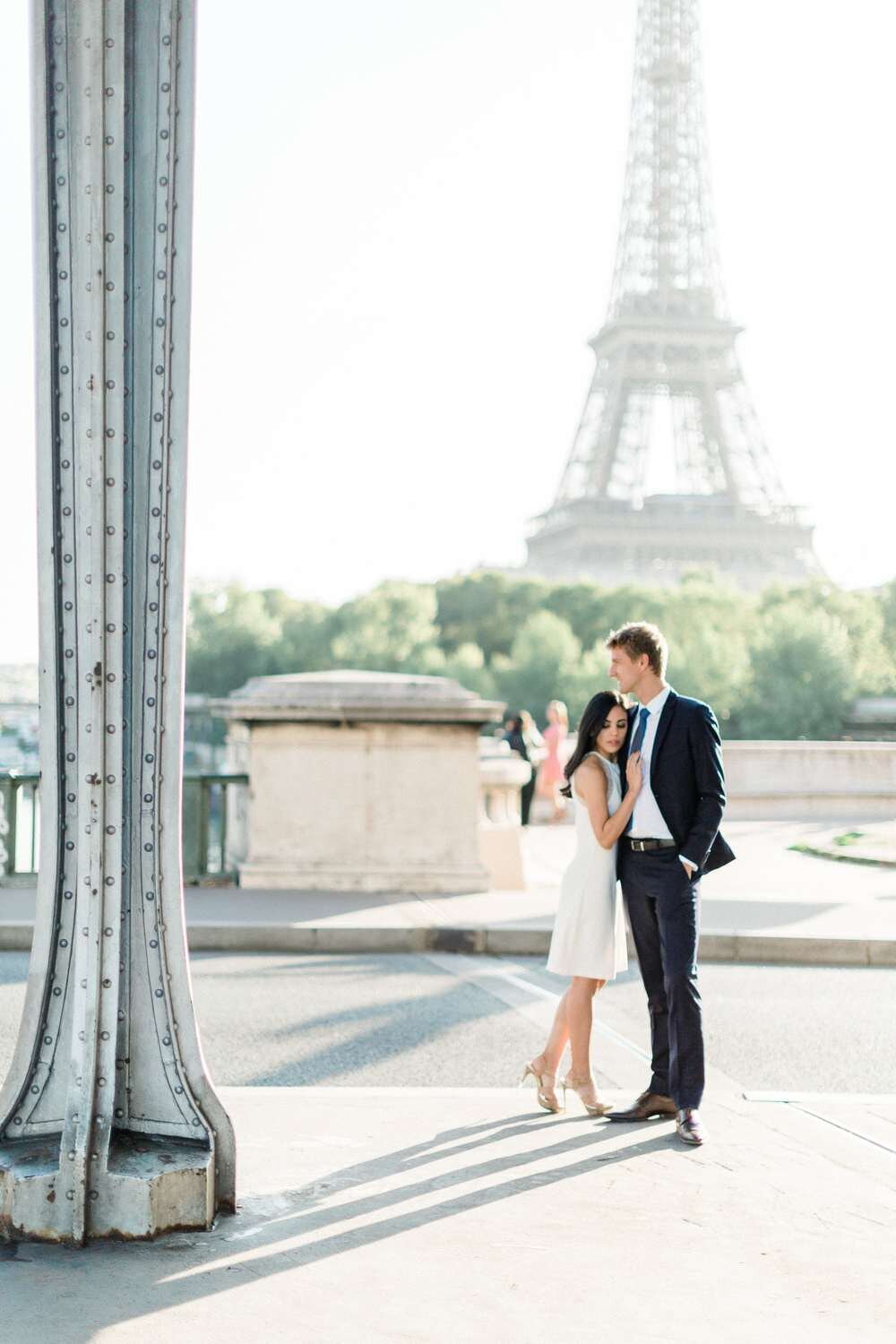
In Paris, light is northern, diffuse, beautiful in its own way. It wraps around subjects. It’s soft.
In Provence, light is architectural. It carves. At eight in the morning and again in the two hours before sunset, it comes in at a lateral angle that creates shadows with clean edges. Stone turns ochre. Fabric becomes sculpture. A face photographed in that light has a quality that is almost impossible to replicate in a studio.
This is why the timing of a Provence wedding matters more than almost any other decision you’ll make.
A ceremony at 2pm in July means midday light — flat, harsh, unforgiving on skin and stone alike. The same ceremony at 6pm, in the same location, produces images that look nothing like each other.
As your photographer, this is where I push. Not because I want to control your day, but because the difference between these two windows is the difference between photographs you display and photographs you store.
The Seasons: When to Marry in Provence
Each season in Provence offers something different. None of them are wrong. Some are more specific.
May and June are the most popular months — for good reason. The landscape is green, the lavender isn’t blooming yet but the air is clear. Days are long. The light at golden hour lasts almost two hours. Temperatures are manageable enough that outdoor ceremonies don’t require endurance.
July and August are the lavender months, which means they’re also the peak tourist season. The iconic purple fields around Valensole and Sault attract photographers from everywhere. If lavender is what you’re after, this is your window — but come prepared for heat and for the challenge of finding spaces that feel private.
September and October are, honestly, my preferred months in Provence. The crowds have thinned. The light has shifted — warmer, lower, more amber. Vineyards go gold. The landscape changes character in a way that June cannot offer. If you have flexibility, this is the month I recommend.
November through March is quiet Provence — sometimes rainy, often cold in the evenings, almost always empty of tourists. For a small, intimate wedding at a château, there is something to be said for having the entire property feel like it belongs only to you.
Venues: What to Look For
The venues that photograph best in Provence are not always the ones with the longest Instagram following.
Natural light access. Can you hold a ceremony at 6pm and still be in open light? Or does the venue’s orientation mean you’ll spend your ceremony in shade? This matters more than the number of rooms.
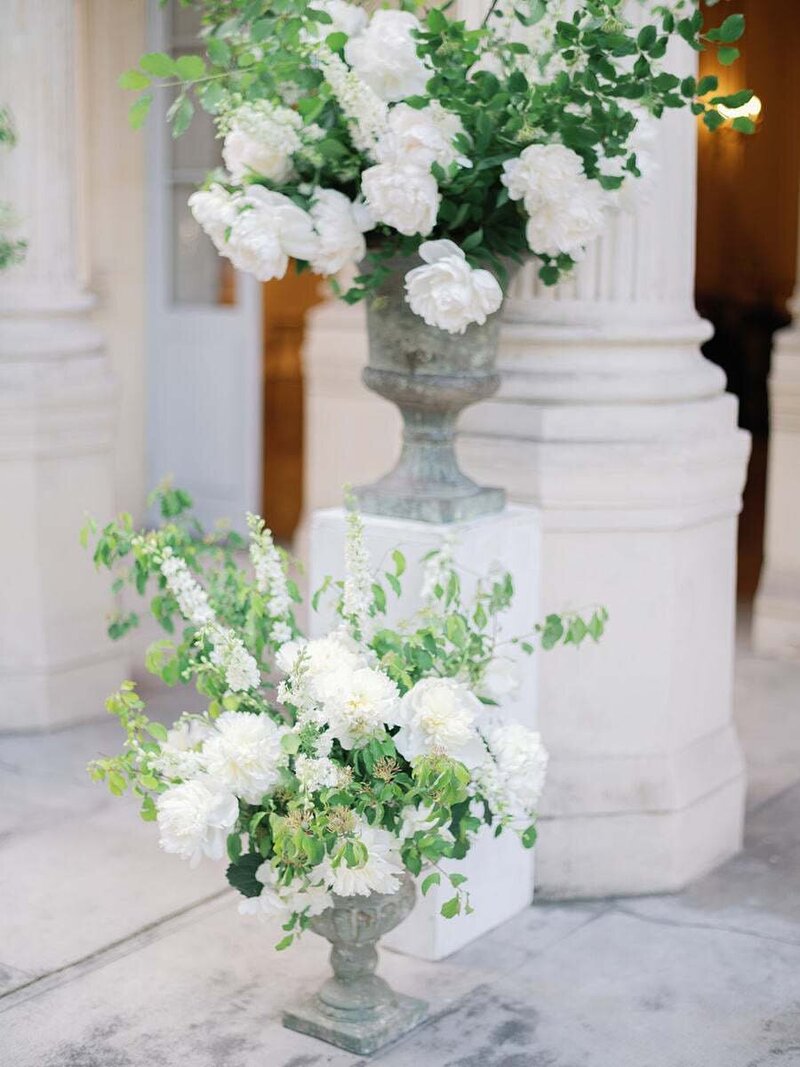
Texture and age. Old stone, rusted iron, worn oak — these surfaces absorb and reflect light in ways that modern construction cannot match. A 400-year-old farmhouse will almost always photograph more richly than a property built to look like one.
Space to move. A venue that allows you to wander — a walled garden, an olive grove, a track between vines — gives the day room to breathe. The best images from any wedding rarely happen during the official moments. They happen in the walking between.
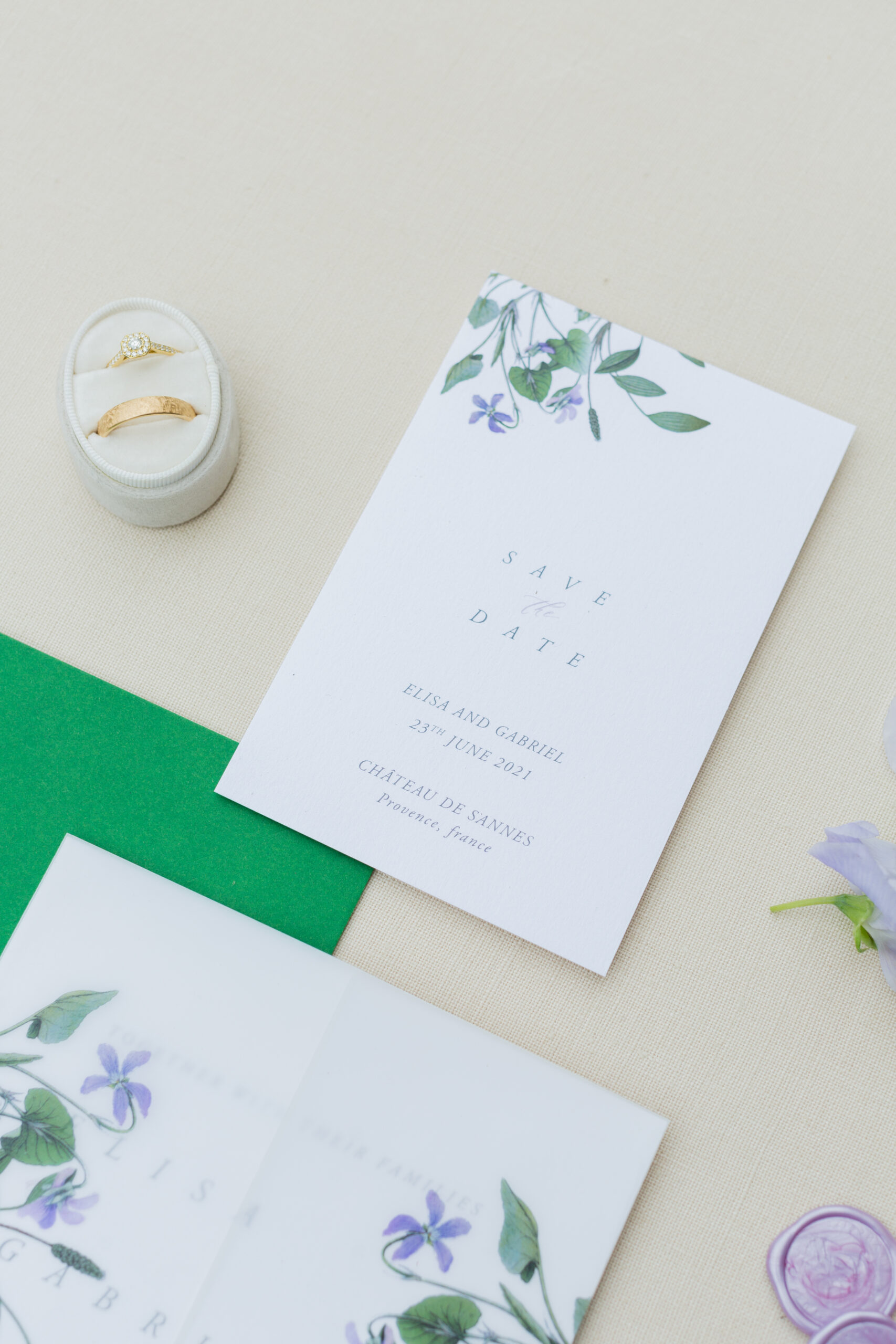
Venues I’ve worked at in Provence — including Château de Sannes, properties in the Luberon, and smaller domaines in the Var and the Vaucluse — each have their own particular light. I know how they behave in different seasons. This is part of what I bring.
What to Ask Your Provence Wedding Photographer
Not all photographers who list “Provence” as a destination have spent significant time there. The questions worth asking:
What time would you recommend for our ceremony? A photographer who defaults to “whenever you’d like” without reference to the light is not thinking about your images.
Which venues have you worked at? And more specifically: which season, and what did you learn? The answer will tell you how much experience is real and how much is aspirational.
What’s your approach to the day? You want someone who can name their approach — not because they’re following a script, but because they’ve developed a point of view. The photographer without a methodology is guessing. The one with one has failed and learned.
A Note on Distance
Most of the couples I photograph for Provence weddings are not French. They come from the United States, the United Kingdom, Australia — planning a day in a country they may know from holidays but haven’t navigated as a wedding location.
The distance is real. So is the need for a photographer who communicates clearly before the day, who knows the terrain, and who doesn’t need the day itself to figure out what they’re doing.
I photograph a small number of weddings each year. This is intentional. When I take a Provence wedding, I’m present for it in a way that a photographer managing twelve weekends a season cannot be.
If you’re planning a wedding in the south of France and want to talk about what your day might look like, I’m here.
Planning a Provence wedding? Destination Wedding in Provence.







LEAVE A COMMENT