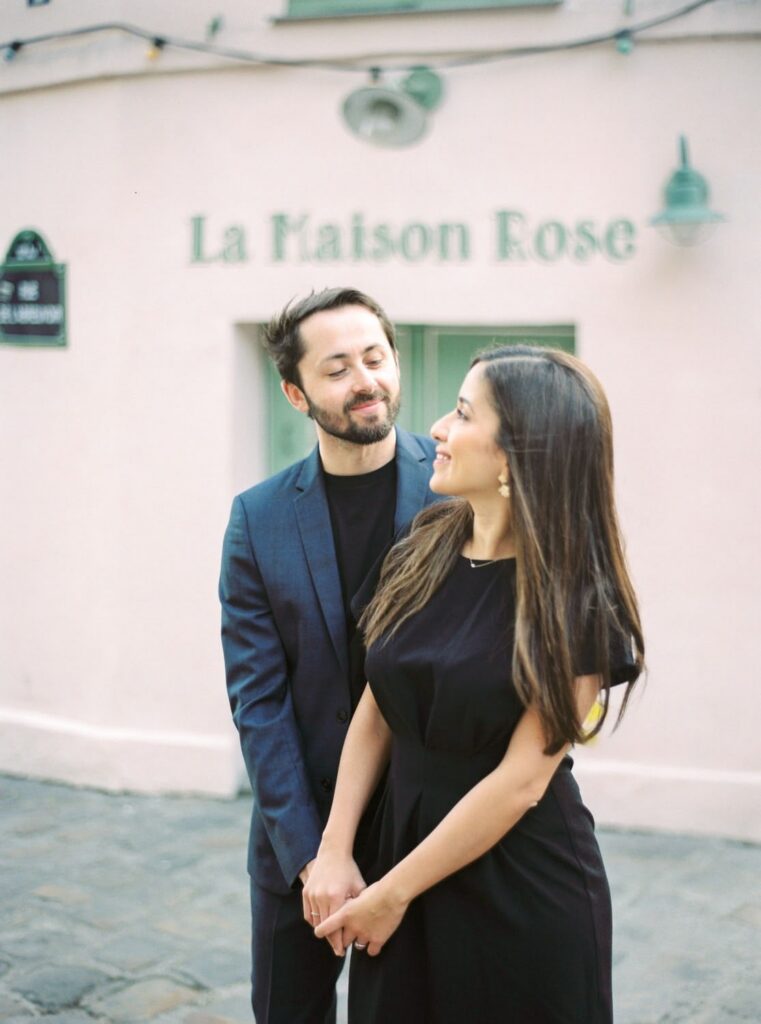
The question comes up at almost every consultation. Usually with some hesitation. As if the couple isn’t sure whether it’s an appropriate thing to ask. “Do you shoot film?” And when I say yes. That film is actually my preferred medium for wedding photography in Paris. The response is usually one of two things: genuine excitement, or polite confusion.
Furthermore, i want to answer. Question properly here, because it goes to the heart of why I work the way I do. And what it means for the photographs you’ll receive.
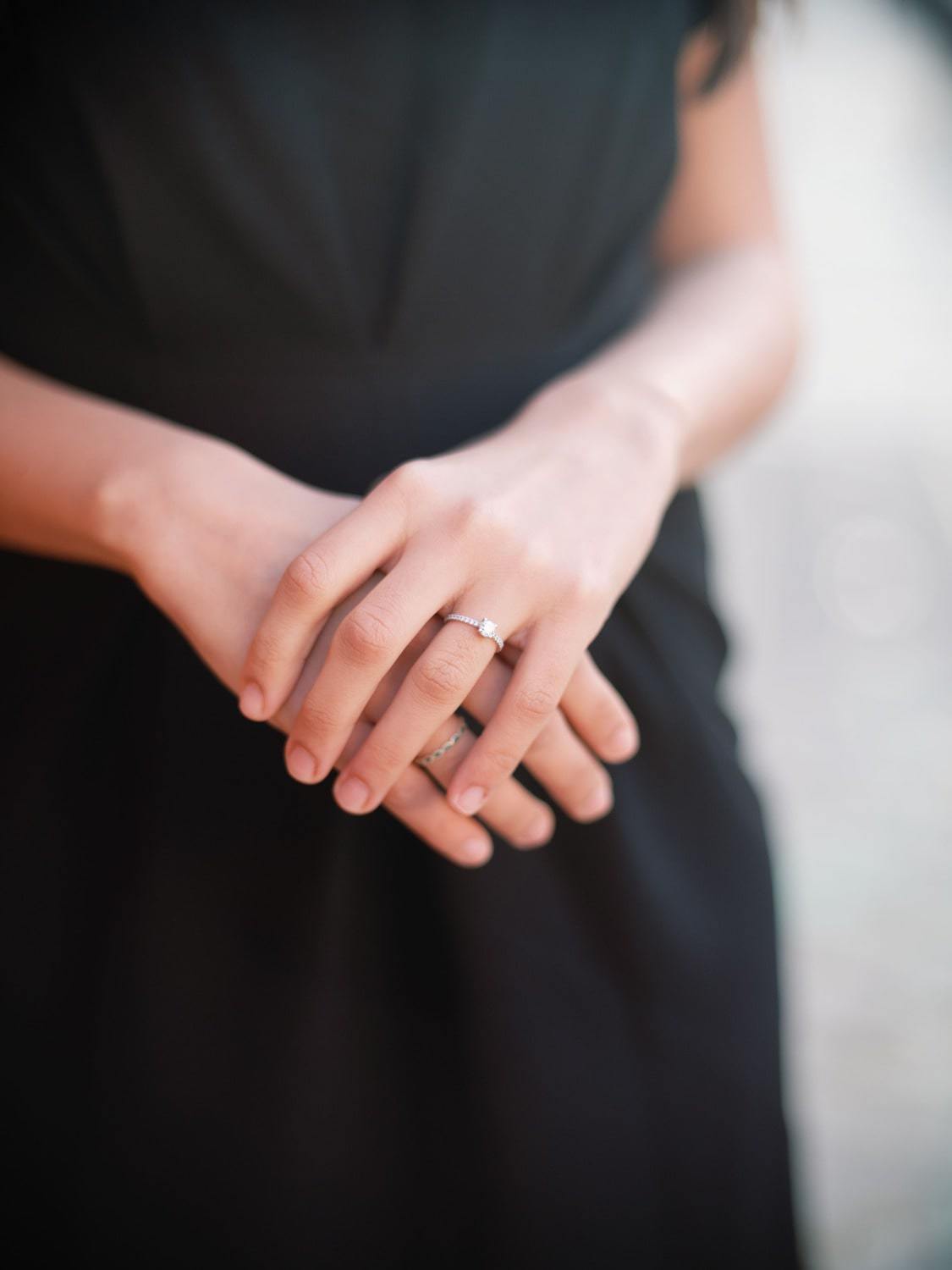
What Film Actually Does to a Photograph
Furthermore, film doesn’t just produce a different look. It changes the entire process of making an image — and that change, I believe, produces fundamentally better photographs.
Additionally, when you’re shooting on a 36-exposure roll of 35mm or a 15-exposure roll of medium format, you stop treating the shutter as something to hold down. Every frame costs something — time, money, and attention. So you wait. You observe. You watch the light shift across a face and decide, consciously, that this is the moment worth capturing. That patience changes what ends up on the negative.
Additionally, digital photography produces extraordinary results, and I use digital in contexts where its advantages. Flexibility, speed, the ability to check exposure in real time — genuinely serve the work. Evening receptions with mixed artificial light. Ceremonies in dark churches where I can’t use flash. Any situation where responsiveness matters more than the character of the final image.
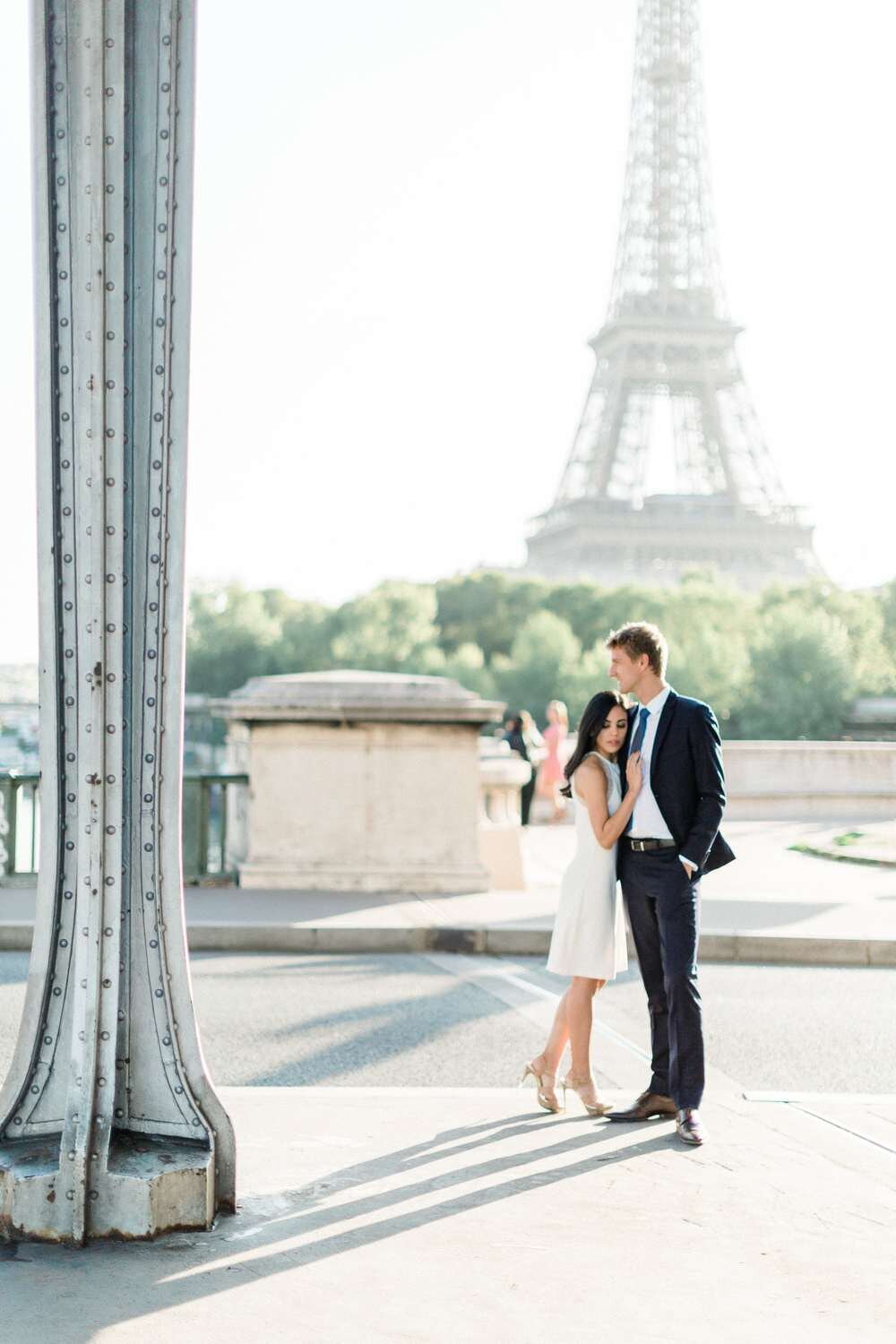
However, but for the images that will hang on your wall? For the portraits at golden hour on the banks of the Seine. Or the quiet moment just after you’ve exchanged rings? Film. Every time.
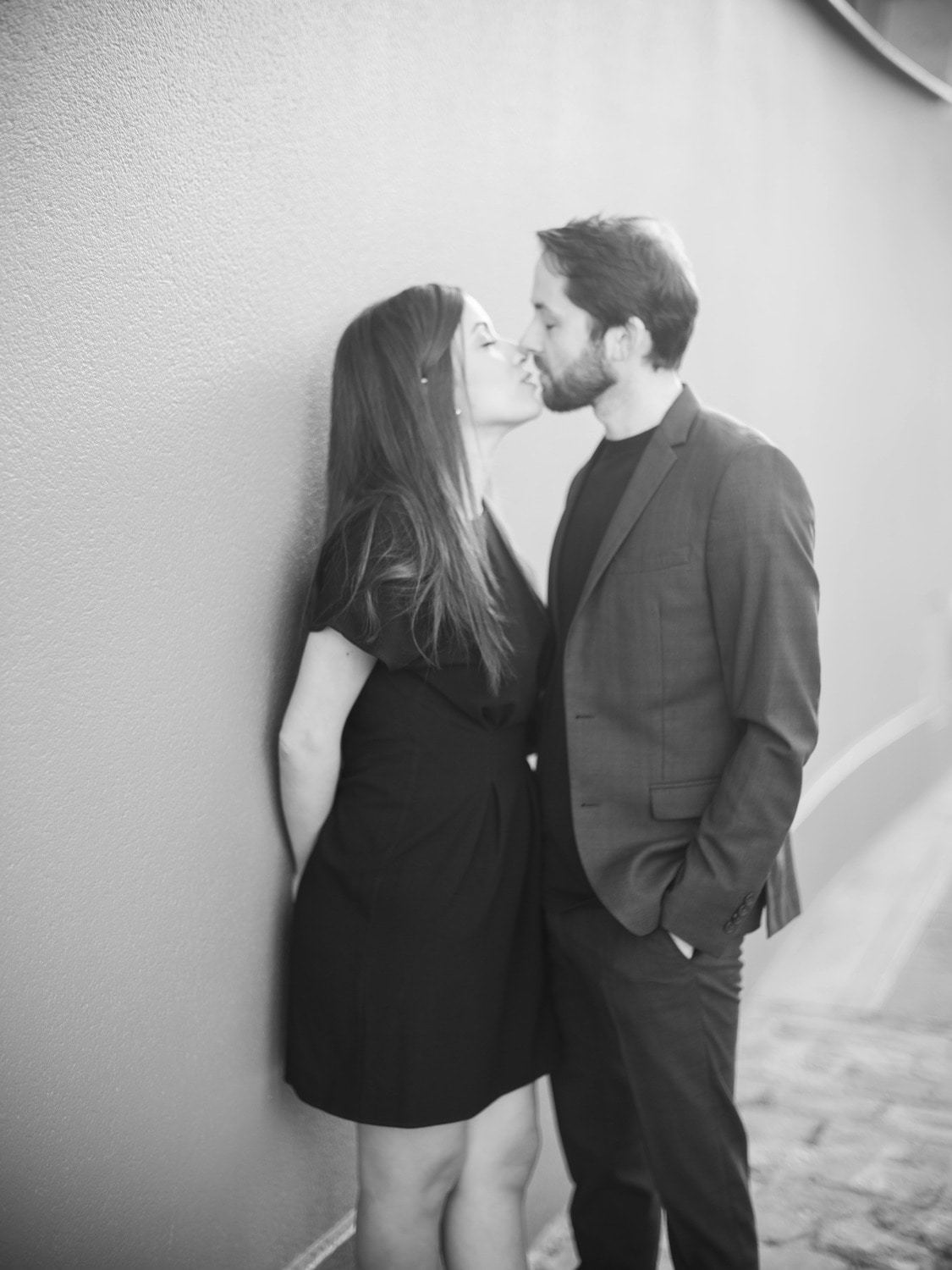
Why Paris and Film Belong Together
However, there are cities that were built for photography and cities that weren’t. Paris was rebuilt in the 19th century for exactly the kind of light that analogue film renders best. Haussmann’s limestone facades, the iron of the Eiffel Tower, the Belle Époque glass of the grand train stations. All of it catches warm, diffused light in a way that film handles with extraordinary grace.
Moreover, the grain of film in Paris light looks the way Paris feels — romantic, slightly hazy, suspended in time. It’s not a coincidence that almost every iconic photograph of Paris that comes to mind was shot on film. There’s a continuity there, a visual language. Connects your wedding photographs to a century of images made in the same city, in the same light.
Moreover, i’ve spent years learning which films render Paris best in different conditions. Kodak Portra 400 in summer afternoon light on the Left Bank. Ilford HP5 for black and white interiors at venues like the Opéra Garnier. Fuji 400H for overcast autumn days when the sky goes silver. These are not interchangeable decisions. The film stock is part of the creative process.
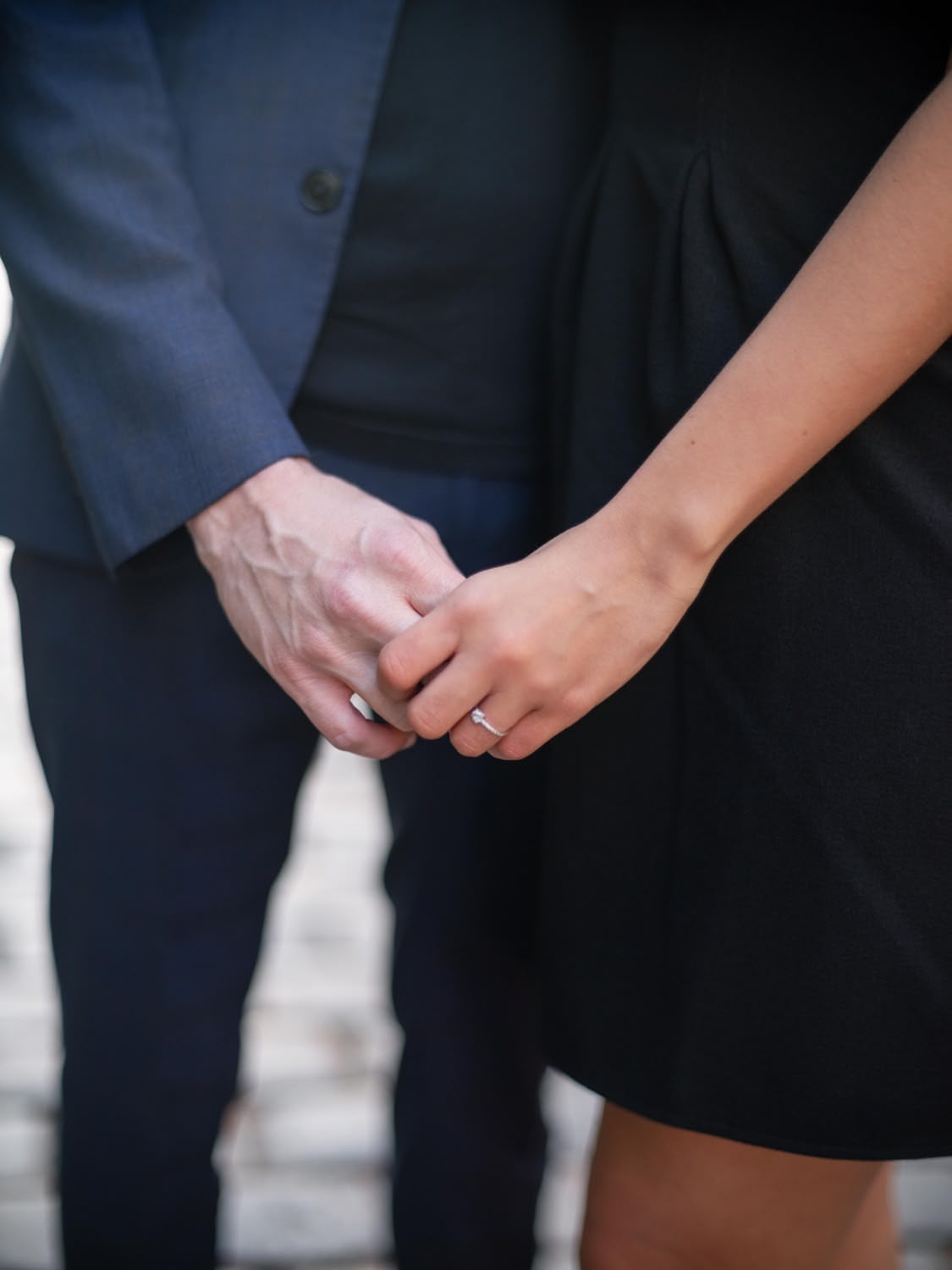
The Practical Reality: What You Should Know
Indeed, if you’re considering booking me for a Paris wedding and you’re drawn to a film approach, there are a few practical things worth knowing upfront.
Indeed, film images take longer to deliver. There’s a physical process involved. The rolls need to be developed, scanned, and colour-graded — that digital images don’t require. Your film gallery will typically be ready within six to eight weeks of your wedding. The wait is real, and it matters to some people. For most couples who choose film, the wait becomes part of the experience. A little like waiting for a letter rather than a text message.
In fact, there will be fewer images from film portions of your coverage. Where a digital day might produce 600–800 edited images. A hybrid film-digital day will give you perhaps 200–300 film frames alongside your digital work. This is not a limitation I apologise for. It is, in fact, one of the reasons the images matter more: less volume, more intention.
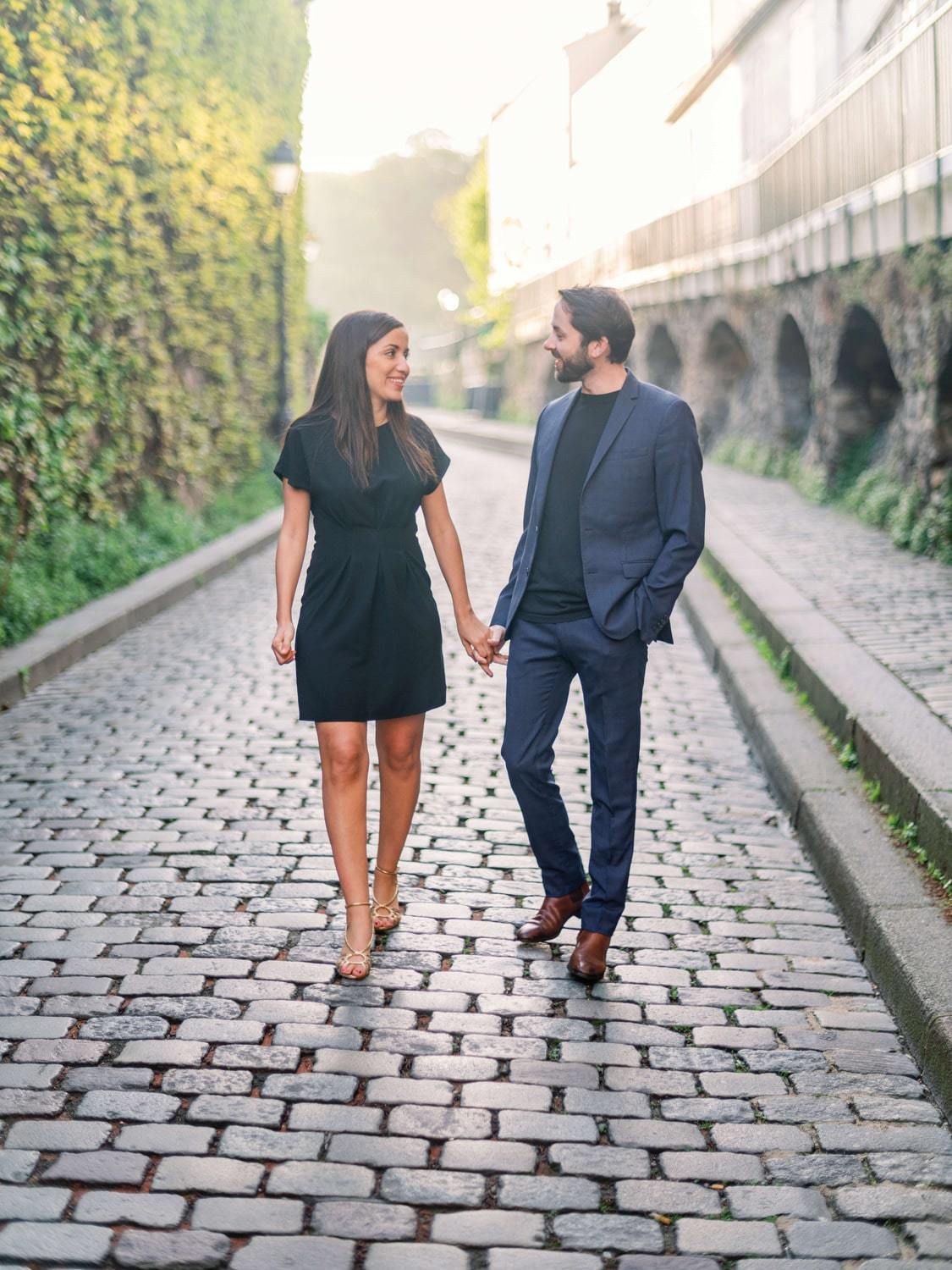
The Images You’ll Have in Ten Years
In fact, here’s the real argument for film, and I make it to every couple who asks.
Above all, in ten years, you’ll be able to identify a photograph taken on a smartphone in 2024. The software processing signature. The way shadows are lifted, the way skin is smoothed, the way dynamic range is managed. Is tied to a specific moment in the history of computational photography. It will date itself the way photos from the early 2000s dated themselves with their oversaturated, over-sharpened look.
That said, film from 2024 looks like film from 1974. It doesn’t date. The grain, the colour rendition, the softness in out-of-focus areas. None of that is connected to a software version or a camera manufacturer’s processing engine. It’s a photochemical process. Has looked the same for generations and will continue to look the same for generations more.
Similarly, your Paris wedding deserves photographs that feel timeless — not just now, but always. That’s what film gives you.
Your wedding is a singular story. I would love to hear it.







LEAVE A COMMENT